Simple words, profound freedom.



Browse by Topic
 01:47
Part 10: Meditation Reveals the Hindrances
Ajahn Chah

The Earthworm Worries About Dirt
Ajahn Chah
 00:21
If you let go a little, you will have a little peace
Ajahn Chah
 01:02
The Essence of Buddhism Is Peace
Ajahn Chah
 24:39
Ajahn Chah on Sensual Desire: Understanding the First Hindrance
Ajahn Chah
 01:15
The Middle Way Is in the Mind
Ajahn Chah
 01:02
Get Off the Road
Ajahn Chah
 00:19
If you want to wait for the future Buddha, don't practice
Ajahn Chah
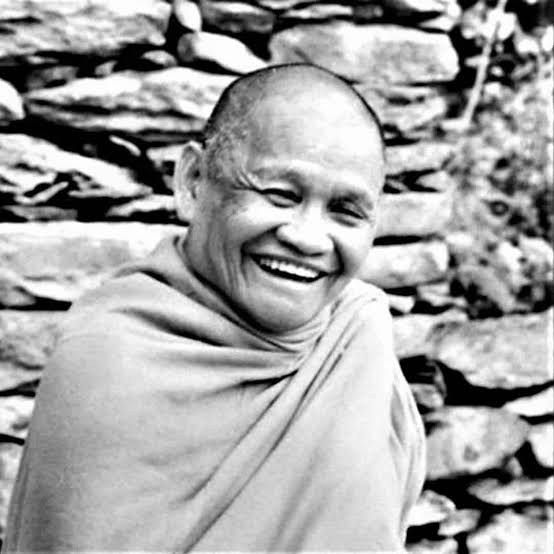
About Ajahn Chah (1918–1992)
Ajahn Chah was born on 17 June 1918 near Ubon Ratchathani, in the Isan region of northeast Thailand. He entered the monastery as a novice in childhood and received full ordination as a bhikkhu in 1939. He later took up the life of a wandering forest monk, practising under several teachers of the Thai Forest Tradition, among them Ajahn Mun Bhūridatta. He is also known as Luang Por Chah, Luang Pu Chah and Ajaan Chah; his Dhamma name was Subhaddo and his monastic title was Phra Bodhiñāṇathera. In Thai his name is written หลวงพ่อชา สุภัทโท.
In 1954 he established Wat Nong Pah Pong near his birthplace, which became the centre of a large network of branch monasteries. In 1975 he founded Wat Pah Nanachat as an international monastery, and in 1979 his Western disciples established Cittaviveka monastery in England. In the early 1980s illness left him paralysed and unable to speak for his last years, a period his students came to see as a final teaching on impermanence. He died in Ubon Ratchathani on 16 January 1992.
His teaching was simple, direct and grounded in practice rather than scholarship. He kept a strict standard of monastic discipline and often pointed to impermanence, letting go, and the need to find the Dhamma in one's own body and mind, frequently using ordinary images from village life.
On this site
The collection on this site gathers many short teachings and selected sections, with a few complete talks. Wisdom, the mind, meditation and letting go are the main themes, alongside virtue, suffering and daily life. Readings explain how sīla, samādhi and paññā grow from one root, why even the wish for a quiet mind can be craving, and why letting go must be done with knowing rather than indifference. Others give practical advice on posture, walking meditation and the Buddho recollection, or speak to householders about family life. There are also biographical readings: his youth, his first hearing of Ajahn Mun, a night of fear in a cremation forest, and his own illness.
“There’s only two things you have to do in practice: know and let go.”
Ajahn Chah