About Wisdom
Paññā, wisdom, in the Buddha’s sense is not cleverness or learning but seeing things as they are: that conditioned things are impermanent (anicca) and unsatisfactory (dukkha), and all phenomena are not-self (anattā). This seeing is what finally frees the heart, and it grows out of virtue and a settled mind rather than out of argument.
Ajahn Chah insisted that wisdom has to be found in one’s own heart. In Stop Overthinking Dhamma — Put It into Practice he advises packing theory away in a chest, since the word anger on a blackboard is nothing like anger in the heart. Sīla, Samādhi and Paññā: The Direct Training Toward Freedom shows how the three grow from one root, like a coconut palm turning plain ground water sweet.
Ajahn Dtun presents wisdom as the fruit of the complete training. In Ajahn Dtun on the Sacred Equation: Sīla, Samādhi & Paññā he explains how virtue steadies life, concentration strengthens the mind, and wisdom recognises greed, anger and delusion so that they can be abandoned. Many of his question-and-answer sessions apply this to particular doubts and stages along the path.
The teachings collected here range from brief practical pointers to extended talks on how insight matures.
Teachings on Wisdom
204 teachings
Insights from all teachers, across every format, together with related Dhammapada verses.

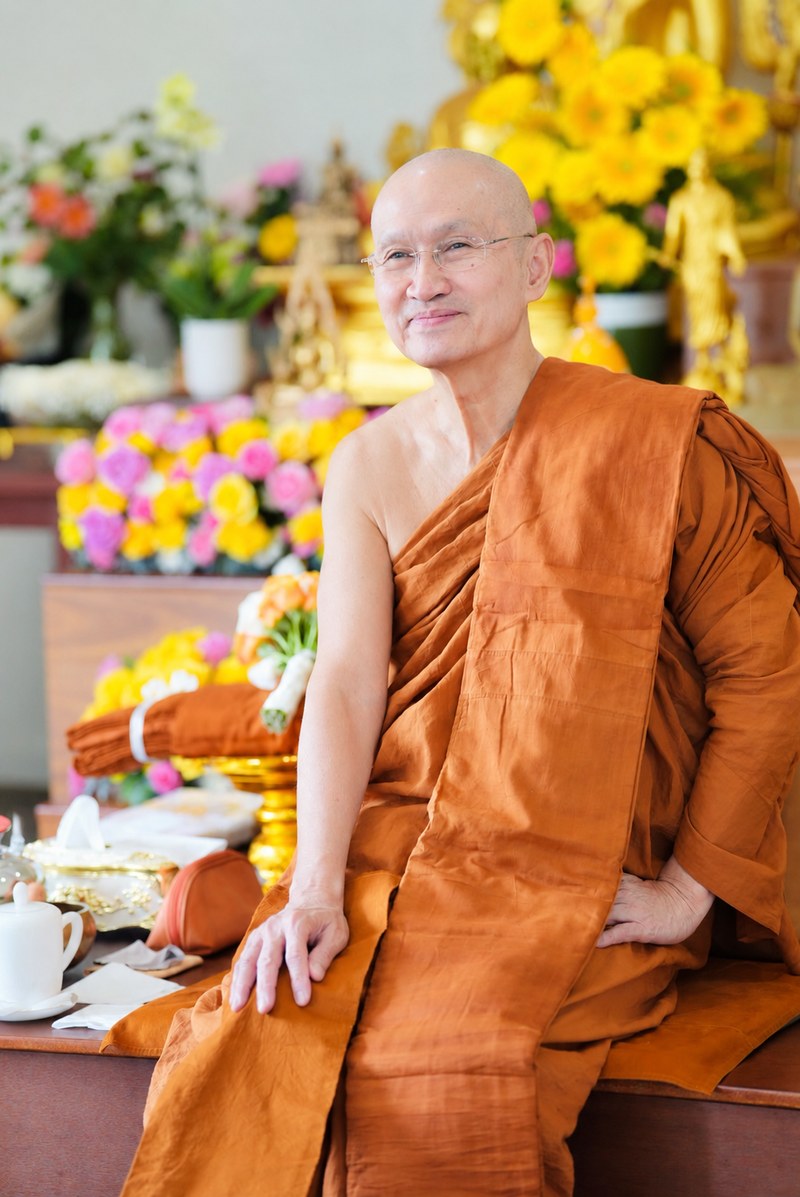 Ajahn Dtun
How to Concentrate for Longer Periods
Question & AnswerIn this teaching, Venerable Ajahn Dtun addresses “How to CONCENTRATE longer period.” The subject is treated as a practical Dhamma question rather than something to settle through theory alone. The focus is on what it means for conduct, meditation, mindfulness and wisdom, and on how the issue can be understood through direct observation of body and mind. The supplied subtitles repeatedly touch on family responsibility, gratitude and the practice of Dhamma in relationships, samādhi, steadiness of mind and the development of concentration, and mindfulness of breathing and the use of the breath to steady attention. The discussion therefore stays close to practice: notice the causes that are present, observe the results they produce, and use the teaching to guide the next wholesome step rather than turning the topic into speculation. The practical emphasis is on training attention patiently rather than chasing unusual states. A meditation object is used to gather the mind, and mindfulness notices when attention has wandered. As steadiness develops, the practitioner can investigate experience with more clarity instead of being carried away by every thought, sensation or mood. For someone practising today, the useful question is not only how to understand how to concentrate longer period, but what can be cultivated now. The response points toward patient repetition: establish wholesome conduct, develop enough steadiness to see clearly, notice attachment when it appears, and use wisdom to understand rather than react automatically. In this way, difficulty itself becomes information about where the training is still weak. This video is relevant to viewers interested in Buddhist meditation, samādhi, mindfulness, breath meditation, Buddho, walking meditation and insight practice. Ajahn Dtun’s approach is direct and practice-centred. Buddhist terminology matters only insofar as it helps the practitioner restrain what causes harm, strengthen mindfulness, develop concentration where needed, and investigate conditions until the heart becomes less identified with what is changing. The broader message is gradual training. Progress is seen in a mind that is more honest, more stable and less easily pulled by greed, aversion, fear or confusion. Repeated practice turns a teaching from something merely understood in words into a Dhamma that changes how experience is met and how quickly the heart can let go. The teaching also encourages continuity. Rather than waiting for ideal conditions, keep creating the causes for clarity in ordinary life as well as formal meditation. What is repeatedly practised becomes stronger, and that accumulated strength is what allows mindfulness and wisdom to work when a difficult situation actually arrives. #AjahnDtun #Dhamma #Meditation #Samadhi #Mindfulness #ThaiForestTradition
 01:47
01:47
 Ajahn Chah
Part 10: Meditation Reveals the Hindrances
Short TeachingAjahn Chah teaches that meditation reveals the hidden habits of the mind. Hindrances, moods, distractions, mental habits, craving, anger, and confusion were already there — meditation simply makes them visible so they can be trained wisely.

Ajahn Chah
The Earthworm Worries About Dirt
Short Teaching 05:14
05:14
Ajahn Dtun
Trust the Buddha’s Wisdom — The Five Precepts
Selected SectionVenerable Ajahn Dtun – The Wisdom of Keeping the Five Precepts Venerable Ajahn Dtun offers a clear and practical reflection on the Five Precepts—simple guidelines that help us live with greater wisdom, mindfulness, and care for ourselves and others. The Five Precepts are: * To refrain from taking life and harming other beings. * To refrain from taking what has not been given. * To refrain from sexual misconduct. * To refrain from false speech and lying. * To refrain from intoxicating drinks and drugs. Ajahn Dtun explains that although these precepts may appear simple, their value becomes clearer when we carefully consider the harm that can arise when they are broken. In particular, he reflects on the consequences of alcohol. Drinking can harm our health, waste money, and weaken mindfulness. When a person becomes intoxicated, they may also become more likely to break the other precepts, including becoming involved in arguments or harmful behaviour toward others. Rather than simply following the precepts because we are told to, Ajahn Dtun encourages us to **understand the harm that comes from breaking them**. When we clearly see the consequences, we can naturally begin to understand the benefits of keeping them. He also offers a practical reflection: money that might otherwise be spent on alcohol could instead be saved and used for more meaningful purposes, such as providing food, gifts, or support for our children and family. Ajahn Dtun explains that keeping some of the precepts is still beneficial, but to truly live according to the Buddha's guidance, we should strive to maintain all five. For those who are not dependent on alcohol, giving it up can be approached as a clear and meaningful resolution. Instead of seeing abstinence as a restriction, we can recognise the opportunity to protect our health, preserve our resources, maintain mindfulness, and use our money for more beneficial purposes. Ajahn Dtun also reminds us that the Buddha taught his followers to abstain from alcohol and regarded the selling of alcohol as a wrong form of livelihood. At the heart of this teaching is **trust in the Buddha's wisdom**. The Buddha understood what is harmful to living beings and what is beneficial. His teachings on the Five Precepts are therefore not arbitrary rules, but guidance intended to protect us from actions that create harm and suffering. In a society where people can easily seek happiness through sensory pleasures and material possessions, mindfulness and wisdom can become easily neglected. Ajahn Dtun encourages us to look more deeply at where we seek happiness and to recognise the limitations of relying on sensory experiences and material things for lasting contentment. The Five Precepts provide a foundation for a life guided by mindfulness, restraint, compassion, and wisdom. By understanding their purpose and seeing their benefits for ourselves, we can gradually develop greater confidence in living according to the Dhamma. May this teaching by Venerable Ajahn Dtun encourage us to reflect carefully on the Five Precepts, understand the consequences of our actions, protect ourselves and others from harm, and develop greater trust in the wisdom of the Buddha's teachings. 🍃 **The Still Path** 🍃 🔔 Subscribe for more authentic Dhamma teachings #AjahnDtun #Dhamma #Buddhism #FivePrecepts #PancaSila #BuddhistTeachings #DhammaTalk #Meditation #Mindfulness #Wisdom #ThaiForestTradition #AjahnChah #MindTraining #InnerPeace #SpiritualPractice #BuddhistPractice
 00:21
00:21
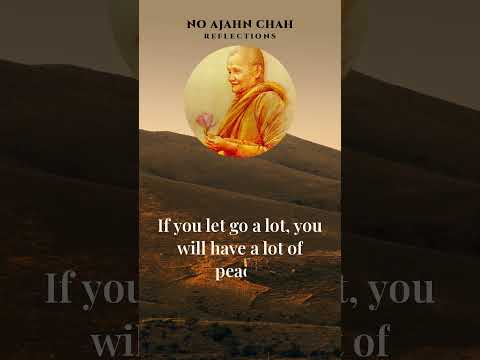
Ajahn Chah
If you let go a little, you will have a little peace
Short TeachingThese short reflections draw on the timeless teachings associated with Venerable Ajahn Chah, one of the most influential meditation masters of the Thai Forest Tradition. His teachings continually point us back to the most important place of practice — our own mind.
 06:44
06:44
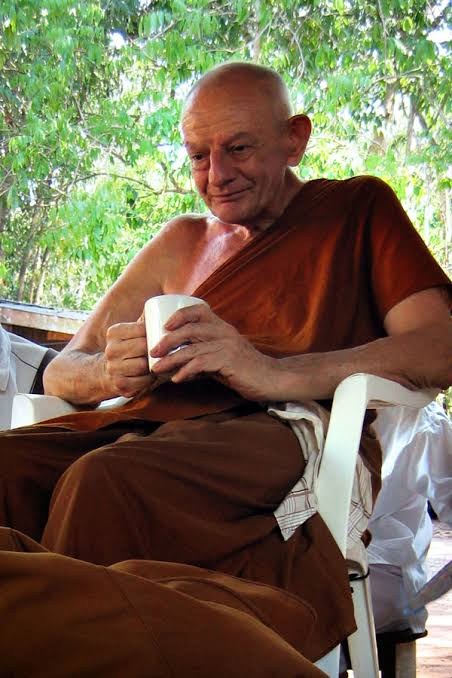 Ajahn Pannavaddho
Why Worldly Pleasure Never Satisfies the Mind
Selected SectionWhy does the mind remain restless even after receiving what it wants? Ajahn Pannavaddho explains how uncontrolled thoughts create suffering, why worldly pleasures provide only temporary satisfaction, and how morality and meditation prepare the mind for genuine wisdom.
 01:15
01:15
Ajahn Chah
The Middle Way Is in the Mind
Short TeachingAjahn Chah’s teachings have inspired generations of meditators with their simplicity, directness and profound understanding of the human mind. In these short reflections, his timeless Dhamma is presented in a clear and accessible way for anyone interested in Buddhist practice, mindfulness, meditation and freedom from suffering.
 00:40
00:40
 Upasika Kee Nanayon
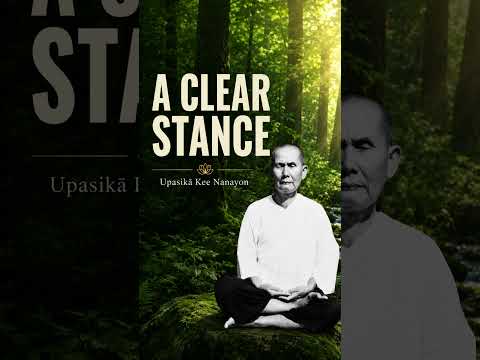
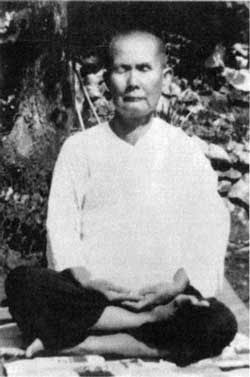
A Clear Stance — Upasikā Kee Nanayon
Short Teaching1 A Clear Stance | Upasikā Kee Nanayon Sometimes in practice, we have to take a clear stance — not a harsh stance, not a stubborn stance, but a firm and honest one. In this short Dhamma reflection, Upasikā Kee Nanayon points us back to sincerity. What are we really living for? What direction is the mind going? Are we following wisdom, or are we being pulled around by craving, fear, and habit? This teaching reminds us that the Dhamma must be brought into daily life, into the heart, and into the choices we make again and again. Subscribe for more Buddhist teachings and Dhamma reflections. #UpasikaKeeNanayon #AClearStance #DhammaReflection #BuddhistTeachings #MeditationPractice #Mindfulness #ThaiForestTradition #Buddhism #Wisdom #InnerPractice #SpiritualPath #Dhamma
 01:02
01:02
Ajahn Chah
Get Off the Road
Short TeachingAjahn Chah’s teachings have inspired generations of meditators with their simplicity, directness and profound understanding of the human mind. In these short reflections, his timeless Dhamma is presented in a clear and accessible way for anyone interested in Buddhist practice, mindfulness, meditation and freedom from suffering.
“There’s only two things you have to do in practice: know and let go.”
Ajahn Chah