Practical wisdom for everyday life.


Browse by Topic
 01:13
01:13
DISCONTENT DRIVES US
Ajahn Pannavaddho
 06:44
06:44
Why Worldly Pleasure Never Satisfies the Mind
Ajahn Pannavaddho
 06:41
06:41
BUDDHA or GOD | Ajahn Pannavaddho
Ajahn Pannavaddho
 08:02
08:02
Why Are We Never Satisfied? | Ajahn Pannavaddho
Ajahn Pannavaddho
 02:53
02:53
Understanding Wrong Sex in Buddhism
Ajahn Pannavaddho
 06:18
06:18
Ajahn Pannavaddho on Morality for Lay Buddhist Practice
Ajahn Pannavaddho
 1:11:25
Advice to Lay Buddhists: Morality, Kamma and Daily Life
Ajahn Pannavaddho
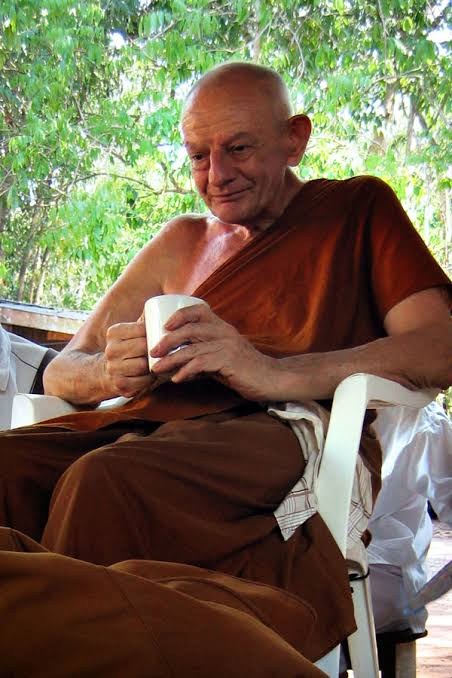
About Ajahn Pannavaddho (1925–2004)
Ajahn Pannavaddho was born Peter John Morgan on 19 October 1925, to Welsh parents, in the gold-mining district of Kolar in India, where his father worked as a mining engineer. His name is also written Ajahn Paññavaddho, Ajahn Panyavaddho or Ajaan Pannavaddho, and he is also known as Ajahn Panya or Than Panya. In Thai his name is written พระอาจารย์ปัญญาวัฑโฒ.
He was ordained as a novice at the London Buddhist Vihara on 31 October 1955 and received the name Paññāvaḍḍho. On 27 January 1956 he was given full ordination as a bhikkhu at Wat Paknam in Bangkok. Drawn by Ajahn Maha Boowa's resolute character and wisdom, he moved to Wat Pa Baan Taad in Udon Thani province in February 1963, and remained resident there as Ajahn Maha Boowa's disciple for the rest of his life. For more than forty years he was the most senior Western monk following Ajahn Mun's path of practice, and his translations of Ajahn Maha Boowa's talks helped introduce Western readers to the Thai Forest Tradition. He died at Wat Pa Baan Taad in August 2004, at the age of 78.
In the teachings gathered here he speaks plainly and practically, linking Buddhist principles to the questions Western lay people actually bring, and placing morality and an understanding of kamma at the foundation of practice.
On this site
This site holds a small selection of his teachings, including a complete talk, selected sections, a short teaching and question-and-answer sessions. Most of them address lay practice: morality, kamma and daily life. Answering a Western lay Buddhist, he explains that there is no god writing our deeds in a black book; we record our own actions, which return as results and shape character. Other teachings consider what counts as sexual misconduct, the difference between the Buddhist view and belief in a creator God, and why worldly pleasure leaves the mind discontented and never truly satisfied.
“The one thing you must never do is run away from fear.”
Ajahn Pannavaddho