About Suffering
Dukkha, usually translated as suffering or unsatisfactoriness, is the first of the Four Noble Truths. The Buddha did not teach it to make life seem bleak, but because the stress we feel has a cause, craving, and that cause can be understood and brought to an end. Knowing suffering clearly is where freedom begins.
Ajahn Chah’s advice is to turn towards it rather than away. In Do Not Run from Suffering — Investigate It he compares recurring distress to a thorn still lodged in the foot: changing your surroundings does not help while the cause remains in the mind. Even in serious illness, as told in At Ease in the Middle of Pain — Ajahn Chah on Illness and Letting Go, he used the image of a bolting wild horse to show when to hold the reins and when to let them go.
Ajahn Pannavaddho starts from the ordinary sense that something is always missing; Why Are We Never Satisfied? traces how restless searching can gradually give way to calm and understanding. Ajahn Dtun brings the teaching to everyday hardship: painful feelings in meditation, sickness, and parents caring for a sick child, for whom he recommends the Five Precepts and simple practice with the breath or Buddho.
On this page are complete talks, selected sections and question-and-answer sessions on pain, discontent and the way through them.
Teachings on Suffering
56 teachings
Insights from all teachers, across every format, together with related Dhammapada verses.
 01:13
01:13
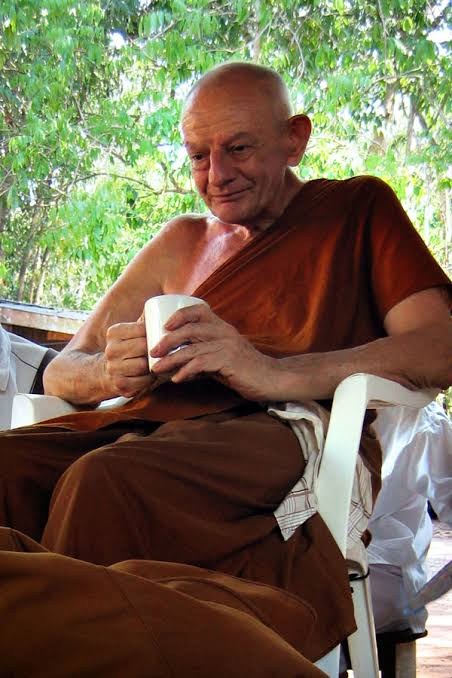 Ajahn Pannavaddho
DISCONTENT DRIVES US
Short TeachingAjahn Pannavaddho — Practical Teachings for Training the Mind
 06:44
06:44
Ajahn Pannavaddho
Why Worldly Pleasure Never Satisfies the Mind
Selected SectionWhy does the mind remain restless even after receiving what it wants? Ajahn Pannavaddho explains how uncontrolled thoughts create suffering, why worldly pleasures provide only temporary satisfaction, and how morality and meditation prepare the mind for genuine wisdom.
 05:33
05:33
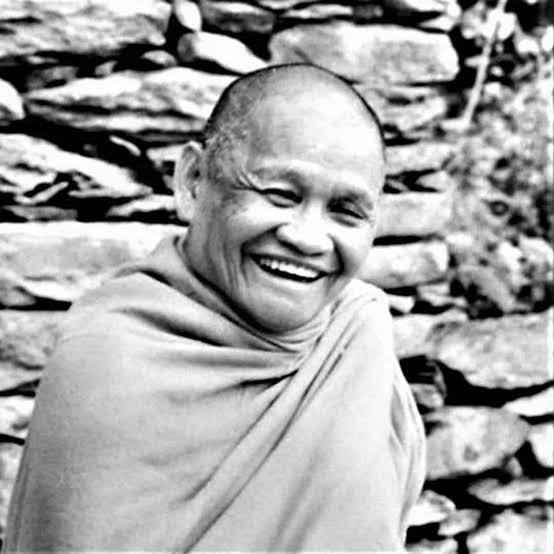 Ajahn Chah
Why Happiness Still Bites | Ajahn Chah
Selected SectionWhy would Ajahn Chah compare happiness and suffering to two ends of the same snake? In this striking Dhamma teaching, Venerable Ajahn Chah explains the Middle Way and why genuine peace is found neither in chasing happiness nor in resisting suffering. The Buddha taught us to abandon what is unwholesome and cultivate what is wholesome. But Ajahn Chah points to a deeper stage of practice: eventually, the mind must learn to let go of attachment to both good and bad, pleasure and pain, happiness and unhappiness. These are the two extremes that keep beings circling within saṃsāra. Ajahn Chah gives a memorable analogy. Imagine a poisonous snake. The head represents unhappiness and suffering. Naturally, we recognise the head as dangerous because it can bite. But the tail represents happiness. We may think the tail is safe and grasp it eagerly. Yet the tail belongs to the very same snake. Hold onto it long enough and the snake turns around and bites. In the same way, happiness contains the conditions for suffering because the mind immediately begins to cling to what it enjoys. We acquire wealth, praise, status, comfort, or something we deeply want — and then fear appears because we may lose it. Even while we are happy, attachment has already disturbed the mind. Ajahn Chah explains that both happiness and unhappiness arise from the same parent: wanting. The Middle Way therefore does not mean finding a comfortable point halfway between pleasure and pain. It concerns the mind itself — learning not to be carried away by either attraction or aversion. The Buddha established morality, concentration, and wisdom as the path — magga — leading toward peace. Yet Ajahn Chah says these practices are the path, not the final essence itself. The essence is peace arising from truly understanding the nature of things. That peace is neither happiness nor unhappiness. It is the mind no longer being shaken and dragged around by changing mental impressions. Ajahn Chah’s message is simple but radical: Don’t merely run away from the snake’s head while clinging tightly to its tail. Let go of both. #AjahnChah #Dhamma #MiddleWay #Meditation #BuddhistTeachings #Mindfulness #Buddhism
 00:58
00:58
Ajahn Chah
You Are Disturbing the Noise
Short TeachingTraffic noise does not create suffering by itself. The real disturbance begins in the mind that resists it. Ajahn Chah points directly to this wrong view: we think the noise is disturbing us, but in truth it is the mind that goes out and disturbs the noise.
 08:02
08:02
Ajahn Pannavaddho
Why Are We Never Satisfied? | Ajahn Pannavaddho
Selected SectionWhy are human beings continually searching for something more? Even after gaining what we want, satisfaction rarely lasts. Ajahn Pannavaddho explains the fundamental human problem of discontent and shows how Buddhist practice gradually replaces restless searching with calm, wisdom and direct understanding. In this clear teaching on the fundamentals of Buddhism, Ajahn Pannavaddho begins with the problem experienced by every living being: dissatisfaction, suffering and inner disharmony. Whether the problem appears large or small, the mind feels that something is missing and begins searching for a solution. We want objects, experiences, relationships, comfort, recognition or security because we believe they will remove the uncomfortable state within us. Yet once one desire has been satisfied, another soon arises. The search continues because external solutions cannot permanently resolve an internal problem. Ajahn explains that people naturally use cause and effect. When suffering appears, we look for something that might remove it. The difficulty is that without wisdom, we often choose the wrong causes. Actions motivated by ignorance, greed or emotional reaction may promise happiness but instead create greater trouble and suffering. This is why Buddhist practice begins by recognising our actual condition. We must see that discontent is repeatedly present and that the ordinary methods used to cure it are unreliable. People follow whatever feels attractive at the moment, trying one solution after another without understanding the deeper causes operating in the mind. Wisdom does not appear immediately. Until we can clearly see what should and should not be done, we need a dependable guide. Ajahn Pannavaddho explains that this is the purpose of the Buddha’s moral teachings, especially the precepts and the training in restraint. At first, these principles may be accepted through confidence in the Buddha and in those who have practised the path successfully. But Buddhism does not ask us to remain dependent on belief forever. As we practise, we begin to observe the results directly. The mind becomes calmer, less restless and less driven by the endless search for fulfilment in the world. Gradually, faith based on belief is replaced by knowledge based on experience. We begin to understand for ourselves which actions lead toward peace and which actions produce further suffering. This teaching offers a practical introduction to dukkha, craving, ignorance, morality, wisdom and the gradual path from belief to direct understanding. #Dhamma #BuddhistTeachings #Wisdom
 21:37
21:37
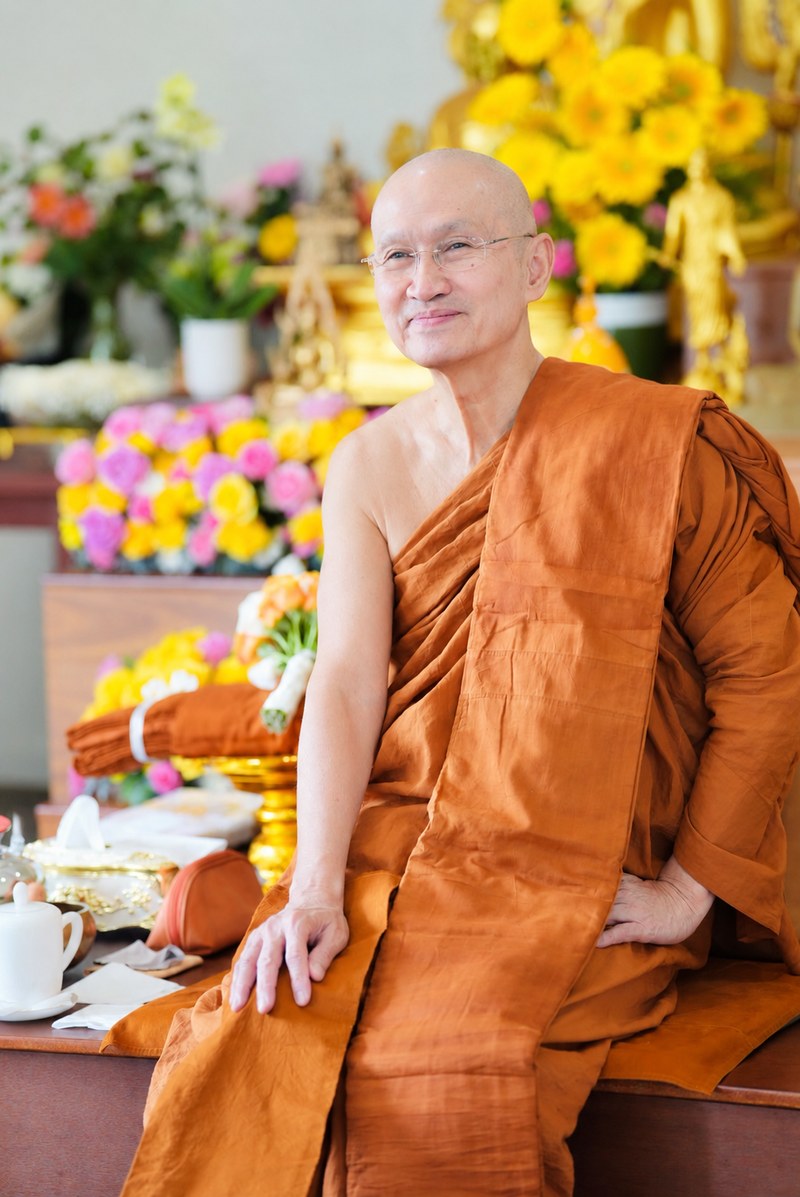 Ajahn Dtun
Guard the Mind, Let Go of Suffering
Selected Section🔅 Venerable Ajahn Dtun – The Mind: The Cause of Suffering and the Path to Freedom Venerable Ajahn Dtun, a highly respected meditation master in the Thai Forest Tradition and a senior disciple in the lineage of Ajahn Chah, offers profound guidance on the importance of training the mind through mindfulness and wisdom. In this Dhamma teaching, Ajahn Dtun explains that just as we strengthen the body through physical exercise, we must also train and strengthen the mind through meditation. An untrained mind becomes easily overwhelmed by emotions, desires, and negative thoughts, while a trained mind becomes steady, peaceful, and capable of seeing things clearly. Ajahn Dtun teaches that mindfulness and wisdom are the qualities that protect and guide the mind. When greed, aversion, restlessness, and suffering arise, we should learn to observe them without becoming controlled by them. Through continuous practice, we come to understand that emotions are not the true nature of the mind—they are temporary conditions that arise and pass away. Using the practice of meditation, mindfulness, and wise reflection, Ajahn Dtun encourages practitioners to gradually purify the mind and let go of the causes of suffering. Just as a guard watches over a doorway, mindfulness and wisdom must remain present to protect the mind from unwholesome thoughts while cultivating wholesome qualities. In this teaching, Ajahn Dtun also reminds us of the truth of impermanence. Aging, sickness, and death are unavoidable parts of life. Rather than living with fear, we should use this understanding as motivation to live wisely, cultivate goodness, and make the best use of this precious human life. He encourages us to perform wholesome actions, maintain the precepts, practise meditation, and continuously develop the mind according to the Buddha’s teachings. Through patience, effort, mindfulness, and wisdom, the mind gradually becomes purified, leading towards true peace and freedom. This profound Dhamma reflection reminds us that the greatest journey is not to control the world outside, but to understand and train the mind within. When the mind is wisely cultivated, it becomes not a source of suffering, but the pathway to liberation. May this teaching inspire you to guard your mind, cultivate wisdom, and continue walking the path of inner freedom with patience and dedication. 🔔 Subscribe for more authentic Dhamma teachings 🍃 The Still Path 🍃 #AjahnDtun #Meditation #Mindfulness #Wisdom #ThaiForestTradition #AjahnChah #DhammaTalk #Buddhism #Bhavana #MentalTraining #InnerPeace #Impermanence #TheStillPath
 00:30
00:30
Ajahn Chah
Why Let Anger Hurt you?
Short TeachingAjahn Chah, a master of the Thai Forest Tradition, offers profound insights into letting go, mindfulness, and inner peace. His wisdom reveals the path to freedom from suffering and true contentment.
 00:50
00:50
Ajahn Chah
Why Do We Want to Be Born Again?
Short TeachingWhy do we long for another birth without considering what birth actually involves? In this direct and challenging reflection, Ajahn Chah asks us to examine rebirth honestly—not as an attractive idea, but as another return to limitation, discomfort, suffering, aging, and death.
 00:30
00:30
Ajahn Chah
Seaching for the peace in the wrong place
Short TeachingAjahn Chah, a master of the Thai Forest Tradition, offers profound insights into letting go, mindfulness, and inner peace. His wisdom reveals the path to freedom from suffering and true contentment.
“Happiness and unhappiness, are not peaceful states. The Buddha taught to let go of both of them.”
Ajahn Chah