Clarity, directness, and the path to liberation.



Browse by Topic
 14:18
Can the Dead Receive Your Merit?
Ajahn Dtun

How to Concentrate for Longer Periods
Ajahn Dtun
 05:14
Trust the Buddha’s Wisdom — The Five Precepts
Ajahn Dtun
 01:02
See the Body as a Corpse
Ajahn Dtun
 05:12
What Are the First Steps to Letting Go?
Ajahn Dtun
 00:49
Death Returns You to the Present
Ajahn Dtun
 04:19
Learning to Stop Comparing and Find Peace Within
Ajahn Dtun
 09:43
Why the Same Gift Can Bring Different Fruit
Ajahn Dtun
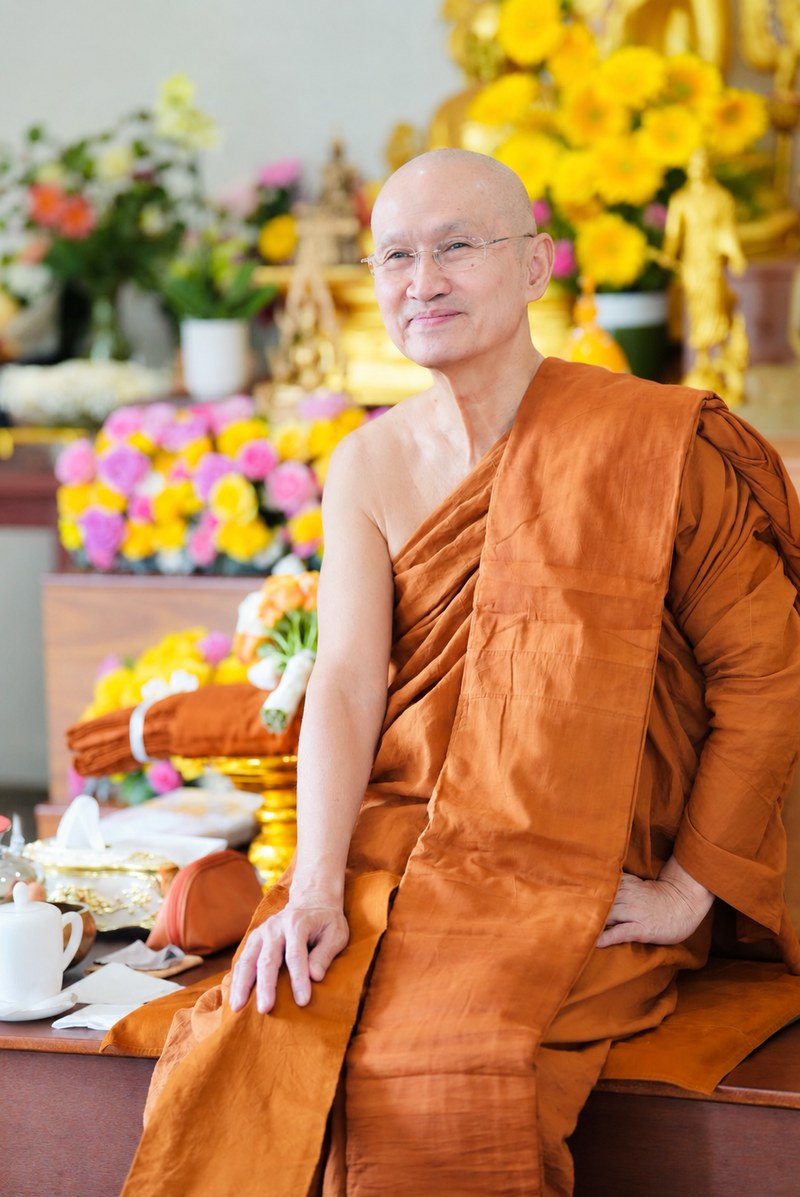
About Ajahn Dtun (1955–Present)
Ajahn Dtun (Thiracitto) was born in 1955 in Ayutthaya province, Thailand, and grew up in Bangkok, where his family moved when he was six. He completed a bachelor's degree in economics and had been accepted into a master's programme in town planning in the United States, but instead decided to ordain as a monk, and to do so for life. He is also known as Tan Ajahn Dtun and Ajahn Dtun Thiracitto; his monastic name is Akaradej Thiracitto. In Thai his name is written พระอาจารย์ตั๋น ถิรจิตโต.
In June 1978 he went to Ubon Ratchathani and was ordained under Ajahn Chah at Wat Nong Pah Pong. He continued to train both with Ajahn Chah and at branch monasteries of Wat Nong Pah Pong, and later practised in solitude in Chonburi province. In 1992 he accepted an offering of land there for a monastery, Wat Boonyawad, which has since grown from a small hermitage into a community of many monks training under his guidance.
His teaching is known for its clarity and directness. He returns again and again to the threefold training of sīla, samādhi and paññā (virtue, concentration and wisdom), to contemplation of the body as a means of loosening attachment, and to the possibility of completely uprooting greed, anger and delusion from the heart.
On this site
This site holds a large collection of his teachings, including complete talks, selected sections and short teachings, and many questions and answers covering every aspect of practice. Meditation and the nature of the mind are the most frequent themes, followed by wisdom, mindfulness, virtue and practice in daily life. Recurring subjects include body contemplation, samādhi and purity of mind, the stages of the path toward Nibbāna, kamma and rebirth, and how to work with the defilements. There are also accounts of his own life and practice and teachings given to monks in Australia.
“Contemplating death brings our awareness back to the present moment.”
Ajahn Dtun